
Brief Analysis | Podcast Videos
Vince Frost: Design your Life
- apply design principles holistically to real world scenarios; health and metal wellbeing
- editorial project expanding into creation of a brand
- creating a dialogue and community around a certain topic
Sam Bompas –Bompas & Parr
“I always think everyone’s got really great ideas. I get vexed when people talk about ‘creatives’ and put them on a pedestal. When you sit in a pub with your friends, telling a story, if they’re paying attention and are genuinely interested, that could be the subject of your next concept.”
Highlights the importance of being open to a diverse range of perspectives from individuals not necessarily experienced in creative process or industry. Sam Bompas emphasises that the role of the creative is to manifest great ideas into a tangible outcome inspired by real world experiences and multidisciplinary perspectives.
How do you structure and plan the production of a self initiated project?
- listing, reprioritising
- profitability/ monetising self initiated projects
- funding: residency
- scale: Project Manager
Sam Bompas: Six-phase project programme
- 1). Initial outlines
- 2). Some scoping
- 3). Write up a budget
- 4). Put together a timeline
- 5). Identify a team
- 6). Successive design phases
Phillips, P (2004) (Links to an external site.)Creating the perfect design brief: how to manage design for strategic advantage, (Links to an external site.) (New York: Allworth Press)
Chapter 1: What is a design brief anyway? (Pages 1 – 15)
- Format of a design brief: narrative or bulleted list approach
- hard copy and available online
- clear and legible yet comprehensive
- ‘Stir frying a creative concept’: navigating time and budgetary restrictions through an organisational structure or processes outlined before commencing creative development. Ingredients list : analysing the ‘what’ against marketplace research to determine the ‘how’. Link creative objectives to business objectives
- Inflexible elements: identifying a core creative concept within parameters such as time, physical or production restraints, budget and creative requirements (photography, copy writing, illustration).
- Reviewing opportunities: Establish interdepartmental consensus before beginning creative development: why are we launching this brand? What results do we want to achieve?
- When do we need a design brief?: the importance of communicating the importance of design as a strategic business resources, not a decorative service.
- Art Versus Design: If design is a problem solving discipline, then great design must start with a thorough understanding of the problem to be solved – which is best found in a great design brief.
- “Please make my ideas look good”: Relationships between designers and non designers. examples of briefs that have a predetermined outcome and assume the designer’s role is to simply execute a set vision, prohibiting alternative problem solving solutions.
- Designers shouldn’t be taxi drivers: Designers should be travel consultants in the analogy, presenting a variety of possible solutions which will inform the final outcome. This requires more involvement in business considerations such as budget and deadlines and enables the design process to be more recognised as a business competency.
- “If the design profession wants to become a core, strategic business partner, then the design profession must learn to think in both design and business terms.”
Chapter 3: Essential elements of the design brief. (Pages 28 – 48)
Ingredients found in great design briefs:
- project overview and background
- category review
- target audience review
- company portfolio
- business objectives and design strategy
- project scope: time line and budget (phases)
- research data
- appendix
Chapter 11: An example of a design brief. (Pages 133 – 141)
A design brief becomes perfect only when you have constructed it very carefully with your co-owner/ partner and it has performed well for you for a specific project.
Phillips, P (2004)
Project Overview and Background
Assessment of design functions within the company at present, evaluating current position within global market place, evolving/ anticipated changes within target mark and strengths and weaknesses in order to identify the problem to be solved and the objective. eg. “The portfolio lacks visual cohesiveness and clarity. This exacerbates target audience confusion within the complicated and already cluttered global market place… in order to achieve clarity and cohesiveness, and to shorten the sales cycle, increase competitive advantage, improve target market share, and thus enhance the bottom line, the entire portfolio must be redesigned at one time utilizing and umbrella strategy”.
Phases:
- Phase 1: Visual audit of existing company work and competitor portfolios
- Phase 2: 6 design concepts that meet business objectives
- Phase 3: Test all concepts with target audience
- Phase 4: Test 3 concepts, refine and retest
- Phase 5: Select 1 concept, fully develop and perform testing
- Phase 6: Develop approval presentation
- Phase 7: Implement approved design solution
- Phase 8: Develop measurement metrics
Category Review
Analysis on company’s position within the market place and its relationship with competitors, informed largely by market research groups, however useful to the design process as it enables the designer to identify possible solutions and appropriate approaches. Eg. Phillips’ example included information on the company’s vast market shares and company age, enabling the designer to recognise that brand equity must be maintained throughout the redesign in order to leverage the company’s heritage and reputation in a competitive marketplace.
Target Audience Review
Critical analysis of the target audience’s age, interests, income, level of education and ‘sophistication’. This informs the design strategy by exploring various subcategories within the target audience and their relationship to different tiers of the product line, eg. the basic – high end range and at what point might they transition from basic to expensive? The complexity of Phillips’ analysis made me think more critically about how various factors such as age and education, influence human priorities and subsequent consumer behaviour. For instance, elderly people were more likely to invest in reliability whilst more new home owners/ independent livers would opt for the basic range.
Company Portfolio
Clearly defines the breadth of the project and succinctly defines what artefacts are to be designed. Phillips’ additional analysis highlights strategic ways in which the design team might visually organise this information through charts. In addition to gathered competitor designs, this contributes to a ‘giant matrix’ that demonstrates the scope of materials needed for a visual audit to assess the brands areas of strength and weakness.
Business Objectives and Design Strategy
Insert Table
Project Scope, Timeline, and Budget
Analyse each phases in accordance with time, labour, overheads etc.
Research Data
Outline missing data necessary to the project and why: In Phillips’ case this is an R&D forecast for new types of products under development as this informs the development of design standards, guidelines, principles and strategies for the future.
Appendix
The appendix should be updated with new material as it’s completed: Phillips notes the importance of the appendix becoming important ‘archival material for future projects’. “Very often, materials from one project will be absolutely essential to another project. Why keep reinventing the wheel? Archive your design briefs”.
The Challenge
Review the subjects, research and outputs you generated during the GDE710 Contemporary Practice module. Make notes about the topics that interest you and consider the characteristics of your personal interests, identity and experiences.


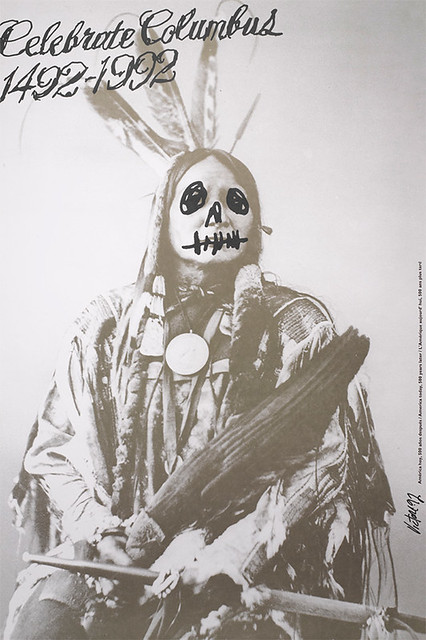
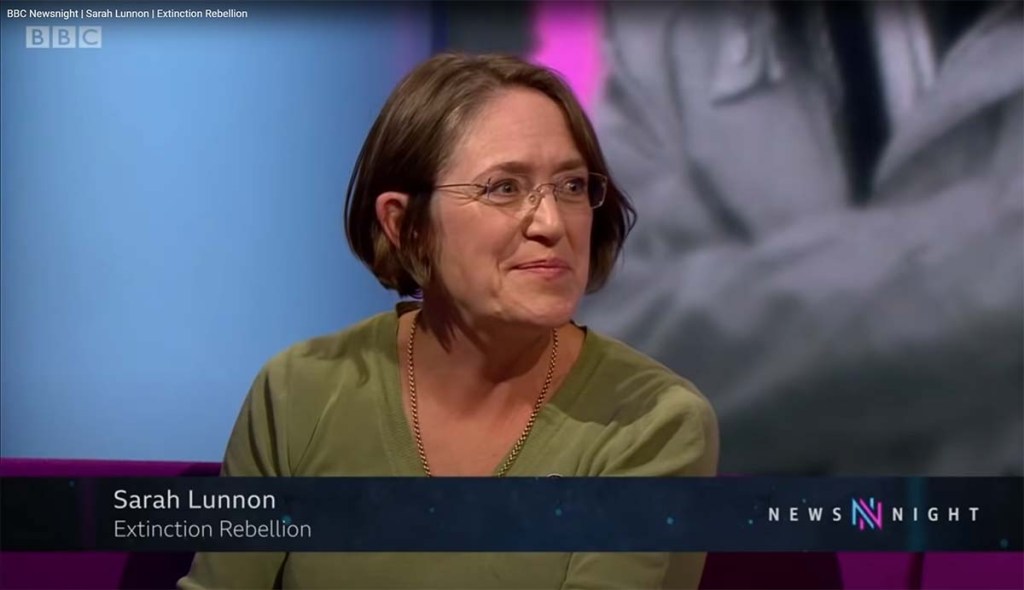
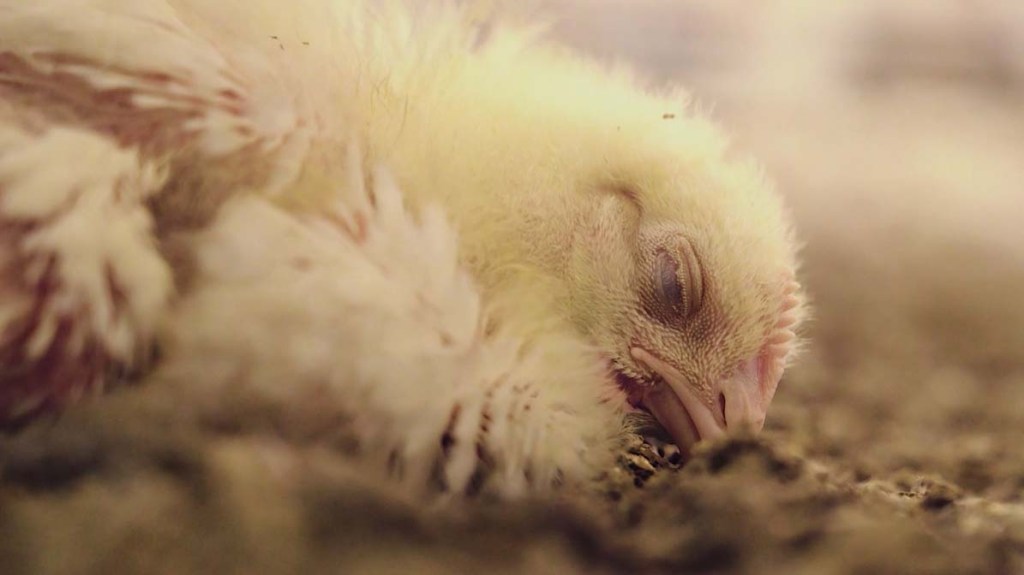
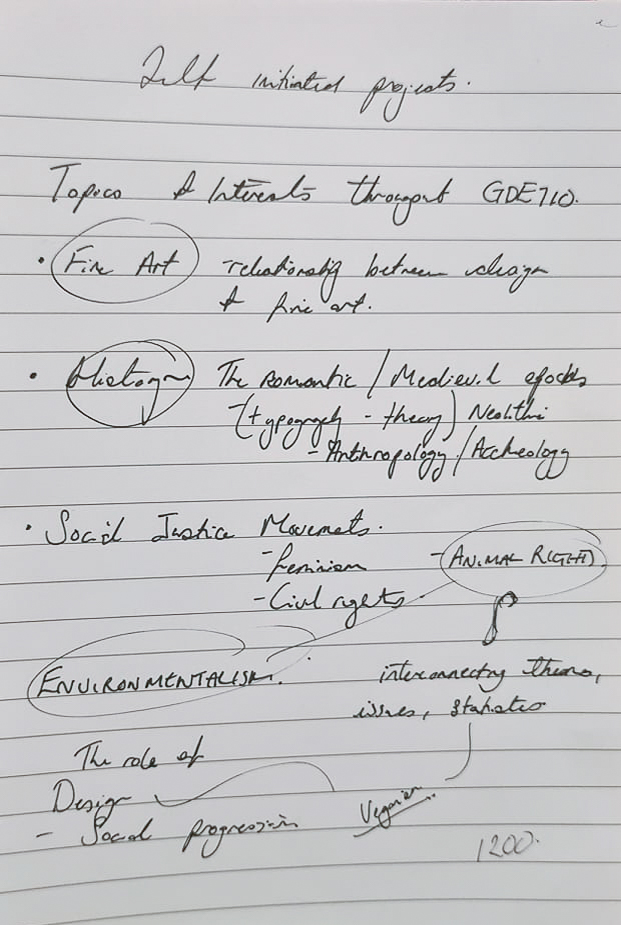

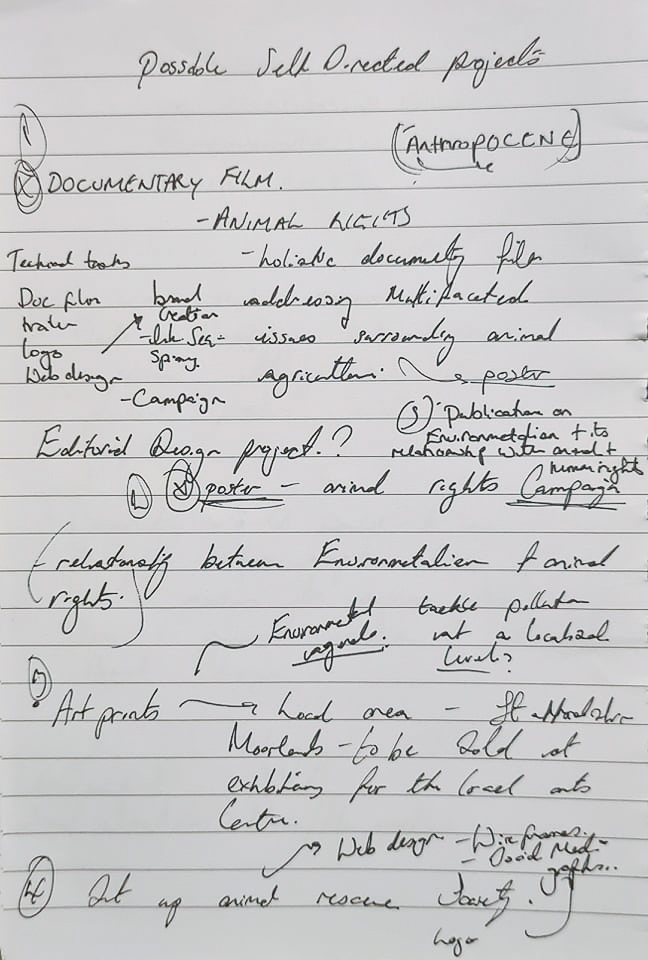

Write a short description to outline four potential self-initiated project ideas (up to 100 words per project idea) and add these notes to your blog.
1). How does brand design tackle and perpetuate cognitive dissonance in relation to the consumption of animal products?
Being interesting in animal rights and the philosophical, practical and ethical debates surrounding veganism, I’d like to explore how cognitive dissonance with regard to animal use and consumption (as explored in module 1, wk 5: Thoughts on ideas) is both perpetuated and challenged by design, particularly within branding and advertising. This project would enable me to further investigate ideas explored in wk 11 & 12, leading to further enquiries into how paradigm shifts can challenge consumer attitudes towards ethical animal use and how design can reconnect people with the materiality of animal products.
2). How are patterns in historical social movements reflected in the emergent growth of veganism?
As a social movement, the emergent growth of veganism is symptomatic of a variety of activist approaches, from positivism to harder hitting confrontational campaigns (as analysed in module 1, wk 12 ). This project would be an interesting opportunity to explore how contemporary and historical social movements such as civil, women’s and gay rights have been achieved through an array of complimentary and juxtaposing campaign styles in order to collectively influence public opinion. As veganism/ plant based consumerism is split into subcultures of animal rights, health, and environmental advocates, I’m interested in how the multifaceted arguments for veganism are managed within a mainstream marketplace, and how brand identity is altering perception of the minority lifestyle.
3). How is the social role of design evolving within a visually saturated global market and what emergent strategies/ tools and approaches can be implemented in order to challenge compassion apathy amongst contemporary consumers?
Being interested in activism and design for social progression, I’m interested in how design is evolving within the parameters of technology and the attention economy (inspired by week 12’s exploration on the future of design). Considering the vast existential, political and humanitarian issues contemporary society faces, I’d like to understand how design can effectively tackle compassion apathy or the sense of overwhelm or detachment experienced by the public as a result of visually saturated global media. This project would enable cross disciplinary research into marketing, sociology and semiotics in order to explore how viewer engagement is achieved in competitive digital and physical environments.
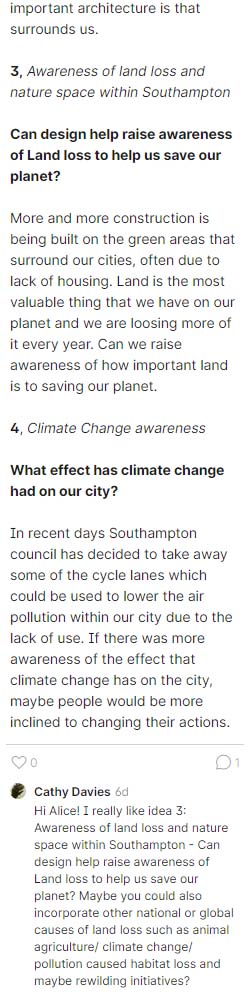
4). How can design be used to reposition contemporary society’s relationship with nature and initiate positive change in relation to environmental issues.
Having previously worked on product development projects inspired by biophilic design, I’m really interested in the relationship between nature and mental health, particularly in light of environmental issues and the associated phenomenon of eco-anxiety. This idea also resonates with my experience of studying fine art, specially romanticism which reacted against industrialisation and sought to maintain spiritual and philosophical connections with the natural world (also explored during wk 9). Inspired by examples of speculative design (week 12: Anab Jain’s simulation of 2030 air pollution), this idea would enable me to explore how design can facilitate meaningful experiences which foster respect for nature, create a deeper sense of self awareness in relation our environment and communicate the fragility of the earth resources in a constructive way to inspire positive action.
5). What is the role of design in contemporary spiritual practice?
This idea is an opportunity to explore contemporary spiritual perspectives within an increasingly secular society through the lens of design. Most spiritual publications/ products/ artefacts on the market today exclude atheist/ humanist subcultures within modern nature spiritualities such as paganism and Druidry, and rely on the readers belief in polytheistic deities. The project could develop ideas explored in wk 9 of module 1, regarding the relationship between nature and spiritualty with specific reference to the romantic sublime. In this way, the design outcome could be influenced by resources such as Richard Dawkins’ ‘The Magic of Reality’ a book which celebrates the awe and wonder found in nature and science rather religious theology.
Ideas wall: Critical Reflection
The feedback I gave Katy on how some of her ideas could be linked in order to create a really unique, multi-layered and socially resonant research question which would enable her to explore a dynamic yet focused topic (a feminist approach to existential anxieties of climate change), inspired me to reflect on some of the connections between my own research question topics and clarify a strategic and multifaceted line of enquiry.
For example, after feedback on my own ideas, 2 and 4 seemed the most socially relevant, yet they have common themes of social responsibility with specific regard to veganism and environmentalism. Being passionate about animal rights and planetary issues such as climate change and the biodiversity crisis, I’m really fascinated by the interconnecting themes, ethics and dichotomies between both issues and how they exist within consumer society. As mass animal exploitation (factory farming, animal testing etc.) are symptomatic of consumer driven society in which the consumer is disconnected from the production and ethical implications of both animal derived and environmentally detrimental products/ materials, this led me to think more about political design and how various strategies and methodologies can penetrate the collective social psyche and its cultivated and innate instinct towards consumerism.
2). How are patterns in historical social movements reflected in the emergent growth of veganism?
4). How can design be used to reposition contemporary society’s relationship with nature and initiate positive change in relation to environmental issues.
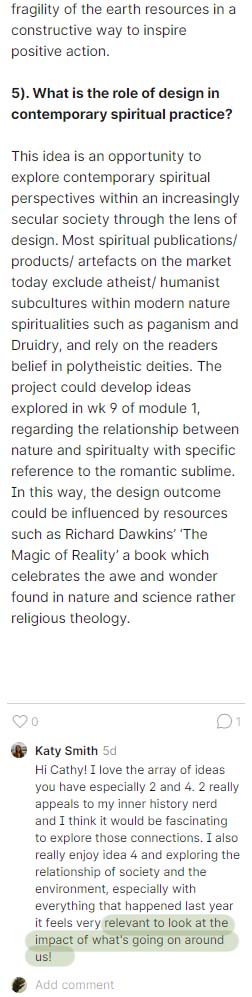
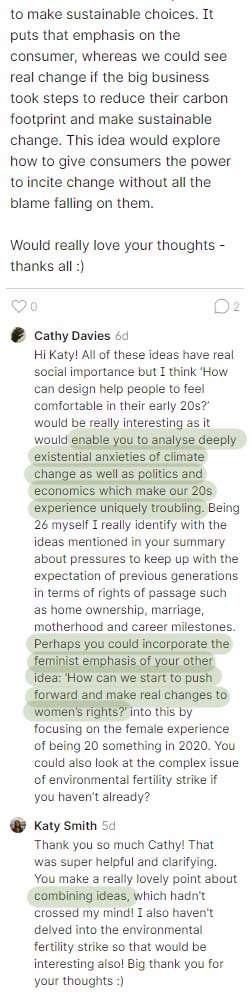
Revised research questions:
- How is social responsibility practiced in contemporary design in the context of the Anthropocene?
- How can socially responsive design combat cognitive dissonance in the context of consumer driven environmental and animal rights violations?
- How can socially responsive design combat cognitive dissonance in the context of the Anthropocene with specific regard to animal rights?
This question enables me to explore consumer detachment from the ethical issues behind western consumer behaviours through a focused yet dynamic lens of animal rights, within the context of human driven climate change. This encompasses factory farming, meat and dairy cosnumption, habitat loss and species extinction. In order to determine how design can be used to break cognitive dissonance, I can use use a psychological methodology to research and test viewer relationships to products and images and be inspired by political art and design which seeks to challenge and reshape public perspectives.
Select one self-initiated project and post an overview to the Ideas Wall, to encourage discussion and feedback.
How can socially responsive design combat cognitive dissonance in the context of the Anthropocene with specific regard to animal rights?
Write a brief for your self-initiated project and upload it to your blog. Your brief should include the following:
Project Brief:
How can socially responsive design combat cognitive dissonance in the context of the Anthropocene with specific regard to animal rights?
How can design challenge speciesism within the context of environmentally conscious consumerism?
Aim, objective and critical context:
As environmental issues are reaching a crisis point, design is adapting to the need for social change from desire driven consumerism to environmental responsibility and ethical consciousness. Despite growing awareness of ecologically conscious consumer behaviour, the issue of veganism and plant based living remains somewhat controversial and is bypassed in many environmental campaigns. Having critically explored publishing practices of ‘self censorship’ (Heller) where controversial stories are avoided in fear of an ‘angry readership’, I’d like to explore how psychological and ethical methodologies can be applied to design in order comfortably include veganism in environmental agendas. // holistically reframe public attitudes to the treatment of animals used across various industries?
From an animal rights perspective, human driven species extinction and factory farming come under the same ethical umbrella of interconnecting moral and practical issues. Therefore, in this project I would like to consider the psychology of cognitive dissonance in animal consumption as well as inherent speciesism in the context of environmentally conscious consumerism: why do eco warriors eat meat and dairy? and why is it more socially acceptable to campaign for endangered exotic species than for factory farmed animals in the UK?
Audience:
Non vegan/ plant based western consumers with a basic to specialist awareness of the impacts of of consumer choices on animals rights issues within factory farming as well as the broader planetary issues of climate change/ pollution caused habitat loss and species extinction. Consumers with sympathy for animal rights or welfare issues who are unfamiliar with the philosophy and application of veganism/ plant based consumerism.
Anticipated final outcome:
A documentary film, film trailer or a promotional campaign for for a documentary. Printed campaign: posters within heavily populated urban contexts where consumerism operates most emphatically. With growing access to film through online streaming, documentary film allows information to be more accessible to a mainstream audience. As moving image enables the use of sound, text graphics and other narrative features, Film seems to be an emotionally resonant and confrontational media through which to approach the controversial topic of animal rights. This also enables the use of information graphics and motion graphics in order to capture the viewers requirement for context and rational. The final outcome will be inspired by political art and design which seeks to challenge and reshape public perspectives.

 CATHY DAVIES